If you rent your home from a housing association, it’s your landlord’s legal obligation to ensure that your property is safe, secure and properly maintained.
When a rented home falls below the required standards of repair, safety and habitability due to neglected maintenance, it may be considered to be in housing disrepair. This issue appears to be becoming increasingly commonplace, according to FOI data. Housing disrepair increased by an average of 392% over the last five years. From structural defects to faulty utilities, tenants are facing more issues than ever before.
In this post, we explore seven common problems that your housing association may be responsible for addressing.
1. Damp and mould
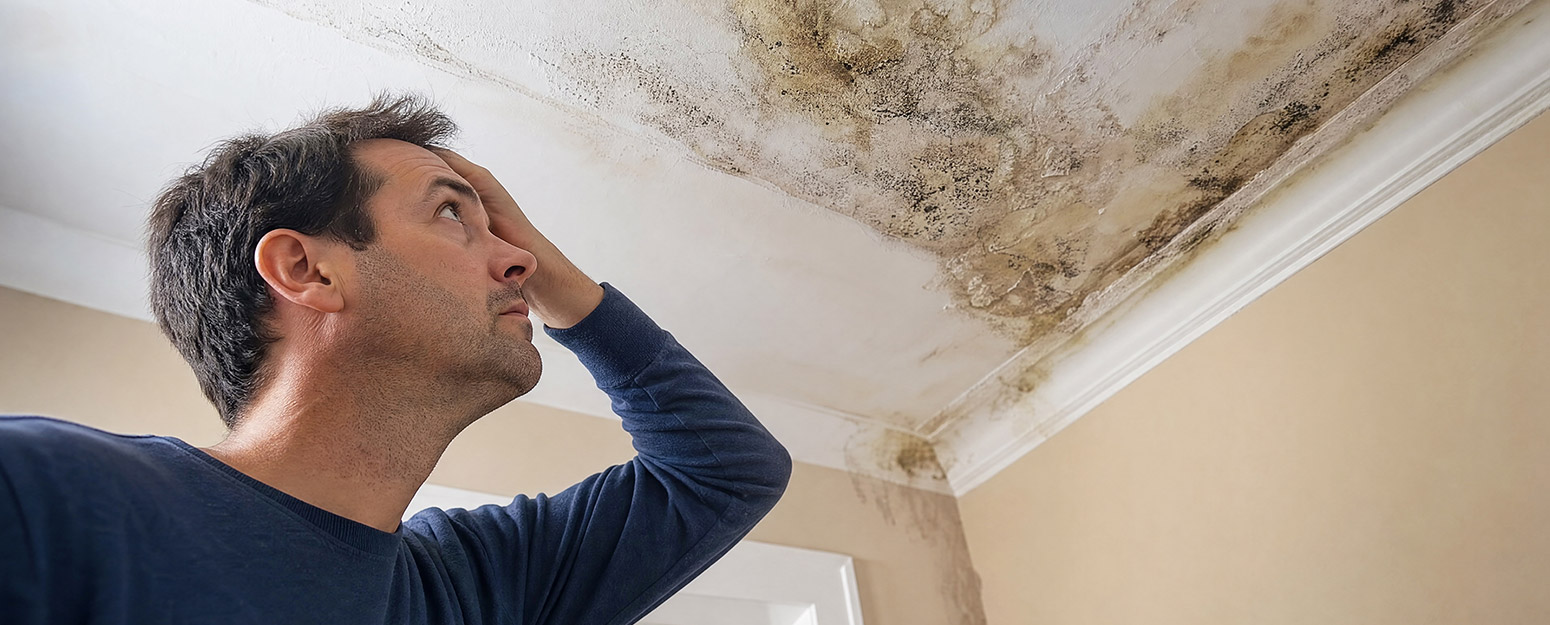
While minor condensation from cooking or drying clothes is normal, persistent damp and mould are not. These issues can seriously impact health, particularly for children, older people and those with respiratory conditions.
Damp is often caused by structural failures like penetrating water, hidden leaks, defective guttering or inadequate ventilation. If the mould stems from one of these structural defects, your housing association may have a legal duty to investigate and resolve it.
2. Heating or hot water issues
A reliable heating and hot water supply is an important part of having a habitable home. In fact, Section 11 of the Landlord and Tenant Act 1985 explicitly states that landlords are legally required to maintain installations for heating and hot water.
Heating problems – such as your boiler repeatedly breaking down or your radiators not working properly – can become emergency issues during cold weather. If your home is cold because of a defective heating system, you should report the problem to your housing association immediately.
3. Leaks and plumbing problems
Leaking pipes, toilets, baths, sinks and other plumbing defects can cause significant damage if they’re not dealt with promptly. Minor leaks can escalate into structural damp or electrical hazards.
Housing associations are generally responsible for maintaining the main plumbing systems, clearing major blockages and ensuring you have functioning sanitation facilities.
4. Roof and structural defects
Problems with the roof or structure of your home – anything from roof leaks to damaged tiles and cracks – can potentially constitute serious disrepair. These defects could allow water or cold air into your home and sometimes contribute to damp and mould.
If you’ve reported a structural or external defect and it hasn’t been properly addressed, make sure you keep records of when you reported it and any repairs that were carried out.
5. Electrical and wiring problems
Faulty electrical installations are a significant safety risk. Problems might include broken sockets or switches, exposed wiring or defective lighting installations.
Some electrical issues require urgent attention, particularly if there’s a risk of fire or electric shock. If you believe there is an immediate danger, report it to your housing association promptly and take steps to keep yourself and others safe.
6. Faulty doors and windows
Broken or defective doors and windows can affect both the security and condition of your home. And housing associations may be responsible for repairing or replacing them.
Security-related repairs are particularly important. If your front or external door can’t be properly secured, report the problem and ask your housing association how it intends to address it.
7. Pests and infestations
Dealing with rats, mice, cockroaches or bedbugs can be traumatic. Whether the housing association is responsible depends on the cause of the infestation and the circumstances involved. For example, issues with structural defects, communal areas, drains or holes that allow pests to enter are likely to be the responsibility of your housing association.
That’s why it’s crucial to report infestations promptly and explain any suspected underlying defect rather than simply reporting the presence of pests.
Awaab’s Law: New repair timelines from November 2026
Introduced following the death of two-year-old Awaab Ishak, Awaab’s Law sets out legal requirements designed to ensure social housing landlords deal with hazards in tenants’ homes within specified timeframes.
The law initially introduced requirements around serious damp and mould and emergency hazards. From 30 November 2026, Phase 2 will extend these protections to a wider range of hazards – including excess cold and heat, falls, structural defects, fire and electrical hazards, and hygiene and pest-related risks. This means housing associations will face stricter timeframes for investigating and dealing with a broader range of risks to tenant health and safety.
What should you do if you’re experiencing housing disrepair?
If you believe your home is suffering from disrepair, the first step is to report the problem to your housing association in writing and give it the opportunity to investigate and carry out the necessary work.
Keep copies of correspondence, plus photographs and videos of the problems. And make a note of when you reported each issue and how the housing association responded. This evidence can be useful if the problem is not resolved.
If your requests are ignored, or repairs are repeatedly delayed or carried out inadequately, it’s worth seeking specialist legal advice to explore your options.
Could you have a housing disrepair claim?
Not every repair issue will automatically amount to a legal claim. The housing association’s responsibilities can depend on factors including the nature and cause of the defect, the terms of your tenancy and whether you have properly notified the landlord of the problem.
However, if you’re living with serious unresolved defects, a solicitor specialising in housing disrepair can assess your circumstances, explain your options and advise whether you may have a potential claim.
At Harrington Sinclair Law, we believe that justice should never feel out of reach
If you’re a housing association tenant impacted by disrepair, visit our housing disrepair page to learn more about our service and how we can help.
Find out more